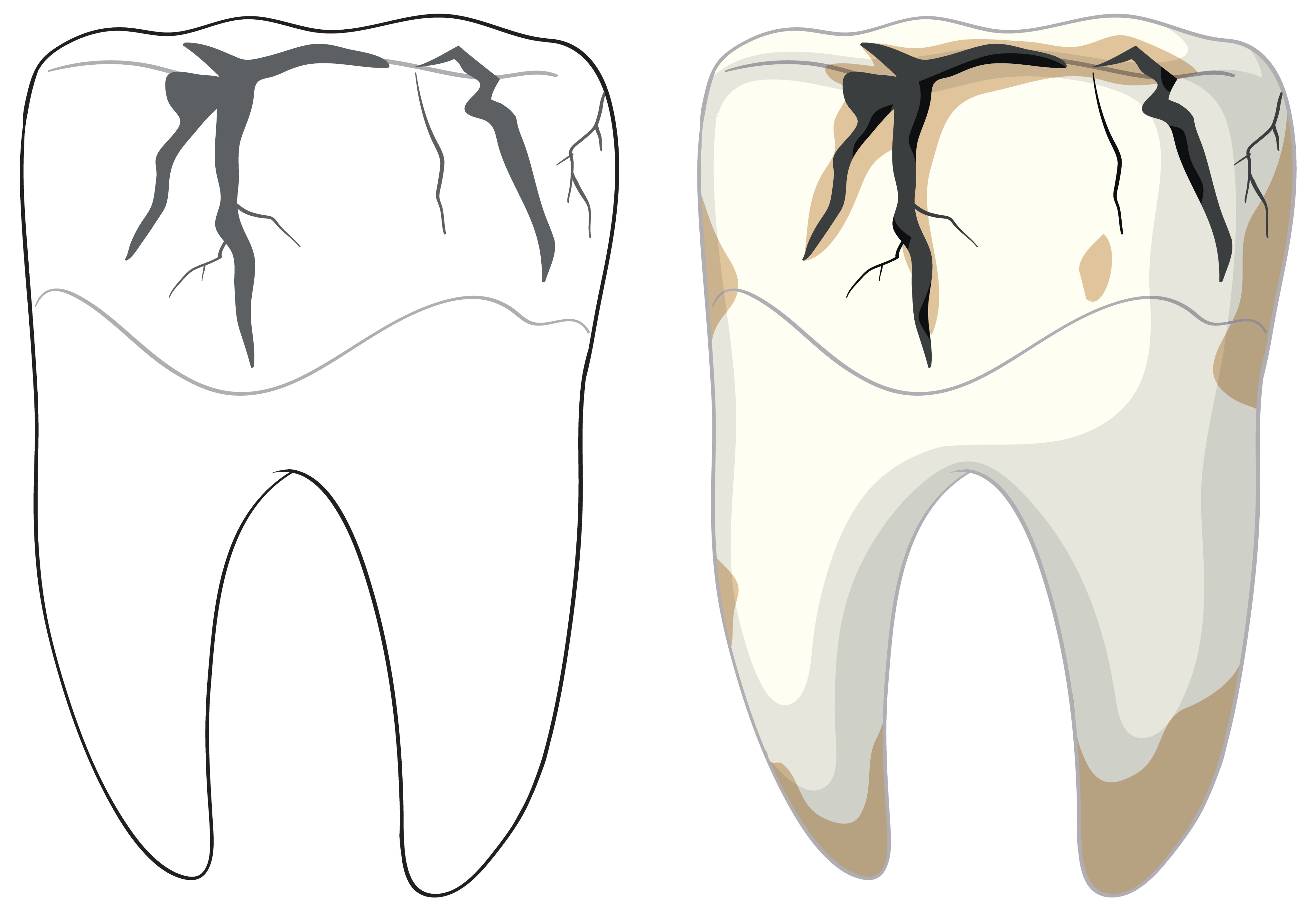
A cracked tooth can happen unexpectedly while eating hard foods, biting something unexpectedly, or experiencing an injury. Sometimes, the crack causes sharp pain, while other times, it remains unnoticed until discomfort develops. Knowing what to do for a cracked tooth can help prevent further damage and protect your natural tooth.
If you experience a cracked tooth, avoid chewing on the affected side and arrange a dental examination. Early treatment can reduce discomfort and help prevent complications. If you live in Dallas, TX, seeking professional dental care promptly is especially important when pain, swelling, or sensitivity develops.
What Are the Common Signs and Symptoms of a Cracked Tooth?
Cracked tooth symptoms can vary depending on the location and depth of the fracture. Some cracks are visible, while others require a dental examination to identify.
Common signs include:
- Sharp pain when biting or releasing your bite.
- Sensitivity to hot, cold, or sweet foods.
- Discomfort that comes and goes while chewing.
- Swelling or tenderness around the affected tooth.
- Visible lines or small fractures on the tooth surface.
- Pain when eating hard or crunchy foods.
A hairline crack may not cause noticeable symptoms initially. However, even a small crack can worsen over time, so professional evaluation is recommended when you suspect tooth damage.
What Causes Teeth to Crack or Fracture?
Teeth are strong, but excessive pressure and repeated stress can cause them to crack. Understanding the causes can help you protect your teeth from further damage.
Common causes include:
- Biting hard foods such as ice, hard candy, or unpopped popcorn kernels.
- Teeth grinding or clenching, especially during sleep.
- Accidents, sports injuries, or falls.
- Large fillings that weaken the remaining tooth structure.
- Sudden temperature changes involving very hot and cold foods.
- Age-related wear that makes teeth more vulnerable to fractures.
People with weakened teeth or a history of dental treatment may also face a greater risk of cracking a tooth.
What Should You Do Immediately After Cracking a Tooth?
If you suspect a crack, taking the right steps can help protect the tooth until you receive dental care.
- Avoid chewing on the affected side: Choose soft foods and avoid hard or sticky items.
- Rinse your mouth gently: Use lukewarm water to keep the area clean.
- Apply a cold compress: Place it against your cheek to help reduce swelling.
- Control bleeding if present: Apply gentle pressure with clean gauze.
- Arrange a dental appointment: Explain your symptoms and when the crack occurred.
Do not try to glue the tooth together or file down its edges yourself. If you experience severe pain, facial swelling, uncontrolled bleeding, or a significant dental injury, seek urgent professional care.
Can a Cracked Tooth Heal on Its Own?
Unlike bones, cracked teeth cannot naturally repair themselves. Enamel does not regenerate after it fractures, and deeper cracks may extend into the inner tooth structure.
A minor surface line may not require extensive treatment, but a dentist must determine whether it is harmless or a true fracture. Early evaluation helps identify the appropriate treatment before the damage progresses.
Even if the pain disappears, the crack may still be present. Avoid delaying an examination simply because your symptoms improve.
Why Does a Cracked Tooth Hurt When You Bite or Chew?
Cracked tooth pain when chewing often occurs because pressure causes the damaged parts of the tooth to move slightly. This movement can irritate the sensitive tissue inside the tooth.
Pain may be especially noticeable when you release your bite rather than when you initially apply pressure. If the crack reaches the pulp, which contains nerves and blood vessels, sensitivity and persistent pain may develop.
A dentist can examine the tooth and recommend suitable treatment based on the crack's depth and location.
What Are the Different Types of Tooth Cracks?
Not every crack affects a tooth in the same way. Common types include:
- Craze lines: Tiny surface lines that usually affect only the enamel.
- Fractured cusp: Damage to a raised part of the tooth, often near a filling.
- Cracked tooth: A fracture that extends from the chewing surface toward the root.
- Split tooth: A severe fracture that separates the tooth into distinct sections.
- Vertical root fracture: A crack that begins in the root and may remain unnoticed until surrounding tissues become affected.
The type of fracture determines whether the tooth can be preserved and which treatment is most appropriate.
What Treatment Options Are Available for a Cracked Tooth?
Tooth fracture treatment depends on the extent of the damage, the tooth's location, and whether the inner pulp is affected.
Possible treatments include:
- Dental bonding: May repair minor chips or limited surface damage.
- Dental crowns: Cover and protect a weakened tooth when appropriate.
- Root canal treatment: May be necessary if the pulp becomes inflamed or infected.
- Extraction: May be recommended when the tooth is too severely damaged to restore.
Hairline crack in tooth treatment may involve monitoring, polishing, or restoration, depending on the diagnosis. For cracked tooth repair in Dallas, your dentist can explain the available options and help you understand the expected benefits and limitations of each approach.
When Should You See an Emergency Dentist for a Cracked Tooth in Dallas?
Seek prompt dental attention if you have severe pain, increasing sensitivity, swelling, or a visible fracture that affects chewing. A tooth that has broken significantly or sustained an injury should also be assessed quickly.
Searching for an emergency dentist for cracked tooth Dallas services can help you locate care when symptoms develop unexpectedly.
Emergency dental care in Dallas, TX, may be necessary when pain is severe or the injury threatens the tooth. If you develop facial swelling with fever, difficulty swallowing, or difficulty breathing, seek emergency medical care immediately.
What Happens If You Leave a Cracked Tooth Untreated?
An untreated crack can gradually extend under repeated chewing pressure. Depending on its depth, this may lead to persistent pain, infection, or the loss of the tooth.
Potential complications include:
- Increased sensitivity and discomfort.
- Damage extending into the pulp.
- Infection or an abscess.
- A fracture that becomes difficult or impossible to restore.
- The need for more extensive treatment.
Early assessment can improve the chances of preserving the natural tooth, although the outcome depends on the severity of the fracture.
How Can You Prevent Further Damage to a Cracked Tooth?
If you already have a cracked tooth, avoid hard foods and follow your dentist's instructions until treatment is completed.
To help prevent future fractures:
- Avoid chewing ice and hard objects.
- Wear a properly fitted mouthguard during contact sports.
- Ask your dentist about a nightguard if you grind your teeth.
- Maintain regular dental checkups.
- Treat cavities and damaged restorations promptly.
- Avoid using your teeth to open packaging or bite non-food objects.
These habits can reduce unnecessary pressure on your teeth and help protect your long-term oral health.
Conclusion
Knowing what to do for a cracked tooth can make a significant difference in protecting your smile. Avoid chewing on the affected tooth, watch for pain or sensitivity, and arrange a dental examination as soon as possible. Do not assume that a crack is harmless simply because it does not hurt.
If you need cracked tooth treatment in Dallas, TX, Royal Lane Dental Center can help assess your symptoms and discuss appropriate treatment options. Seeking timely dental care can help prevent further damage and support your long-term oral health.

🦷 FAQs
Avoid chewing on the affected side, rinse your mouth gently with lukewarm water, and apply a cold compress if swelling develops. Arrange a dental appointment promptly. Seek urgent care for severe pain, significant injury, or facial swelling.
No. A cracked tooth cannot naturally repair itself like a bone. A dentist can assess the crack and determine whether monitoring, bonding, a crown, root canal treatment, or another treatment is appropriate.
Common symptoms include sharp pain when biting or releasing your bite, sensitivity to hot or cold foods, discomfort while chewing, swollen gums, and visible lines or fractures. Some cracks cause few symptoms initially, so a dental examination is important.
Treatment depends on the crack's depth and location. Options may include dental bonding, a crown, root canal treatment, or extraction if the tooth cannot be restored. Your dentist will recommend treatment after examining the tooth.
Seek prompt dental care for severe pain, increasing sensitivity, swelling, significant breakage, or an injury affecting your tooth. Difficulty breathing or swallowing, or rapidly increasing facial swelling, requires emergency medical care.
An untreated crack may extend and cause increased sensitivity, persistent pain, damage to the tooth's pulp, infection, or tooth loss. Early dental evaluation can help determine whether the tooth can be preserved.